
How to Design a Successful Project: Making Decisions Upfront
Today, we’re moving forward in our “How to Design a Successful Project” Series with the third installment, (if you missed #2, go back and catch up here!) and it’s a big one: Making Decisions Upfront.
Have you ever felt paralyzed by indecision when it comes to design choices?
Do you feel the need to see many, many options before committing to a color or finish?
Do you dive into home projects, hoping the details will sort themselves out later?
If you can relate, you’re not alone! Decision fatigue, indecision, and fear of committing is incredibly common in the world of interior design. As designers, a big part of our job is helping clients move through these challenges. And we get it… it’s HARD to commit to a design choice that you’ll have to live with and (hopefully!) love every day in your home, for years to come.
And yet, making design decisions upfront - as many as possible, before ANY construction happens - is key to success. Proactive, early decision-making creates three things:
1. A cohesive, intentional design vision
2. Clear project expectations for you and your trade partners
3. A smoother, less stressful, and quicker overall construction process
Of course, knowing this is the easy part, and actually making proactive design decisions is another thing entirely. So, here’s a peek into our own professional process to help you do just that.
First… Explore Your Options:
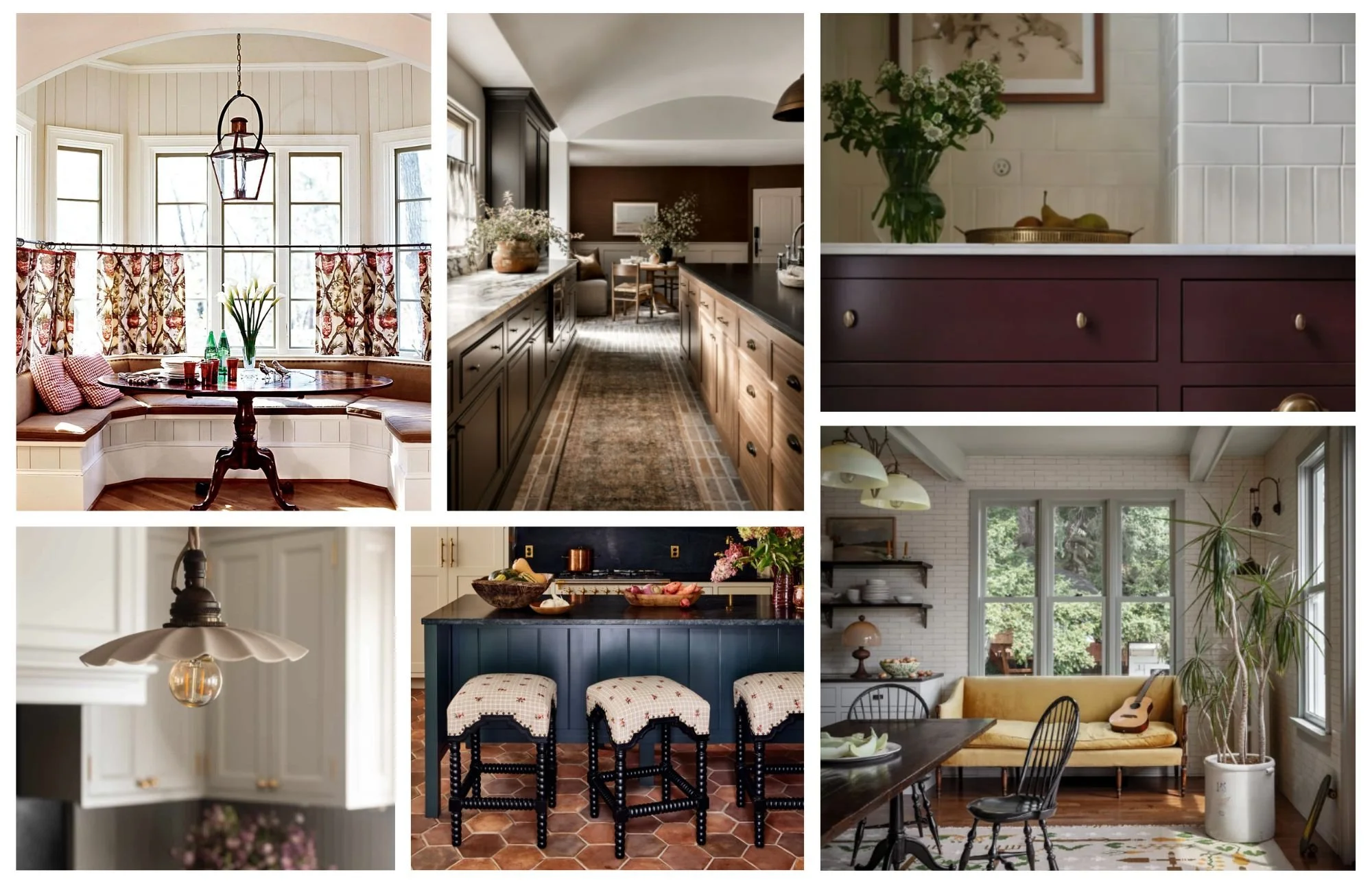
Start simple, by collecting images, browsing retail stores, and gathering inspiration from designers you love, or even a friend’s home whose style you identify with. Use tools like Pinterest, Houzz, or Canva (there is a free version!) to put all your inspiration into one place.
Don’t skip this step! Even if you’re not sure what you like, taking time to explore can help you identify what you gravitate towards. And when you look back at what you’ve collected, you might be surprised at what you learn about yourself and your style.
Take a moment to look at your inspiration. What do you notice about the images? Are they deep and moody? Light and airy? Relaxed and casual? Polished and tailored? Rustic and warm? Try to describe what you see.
Second… Develop Your Design:
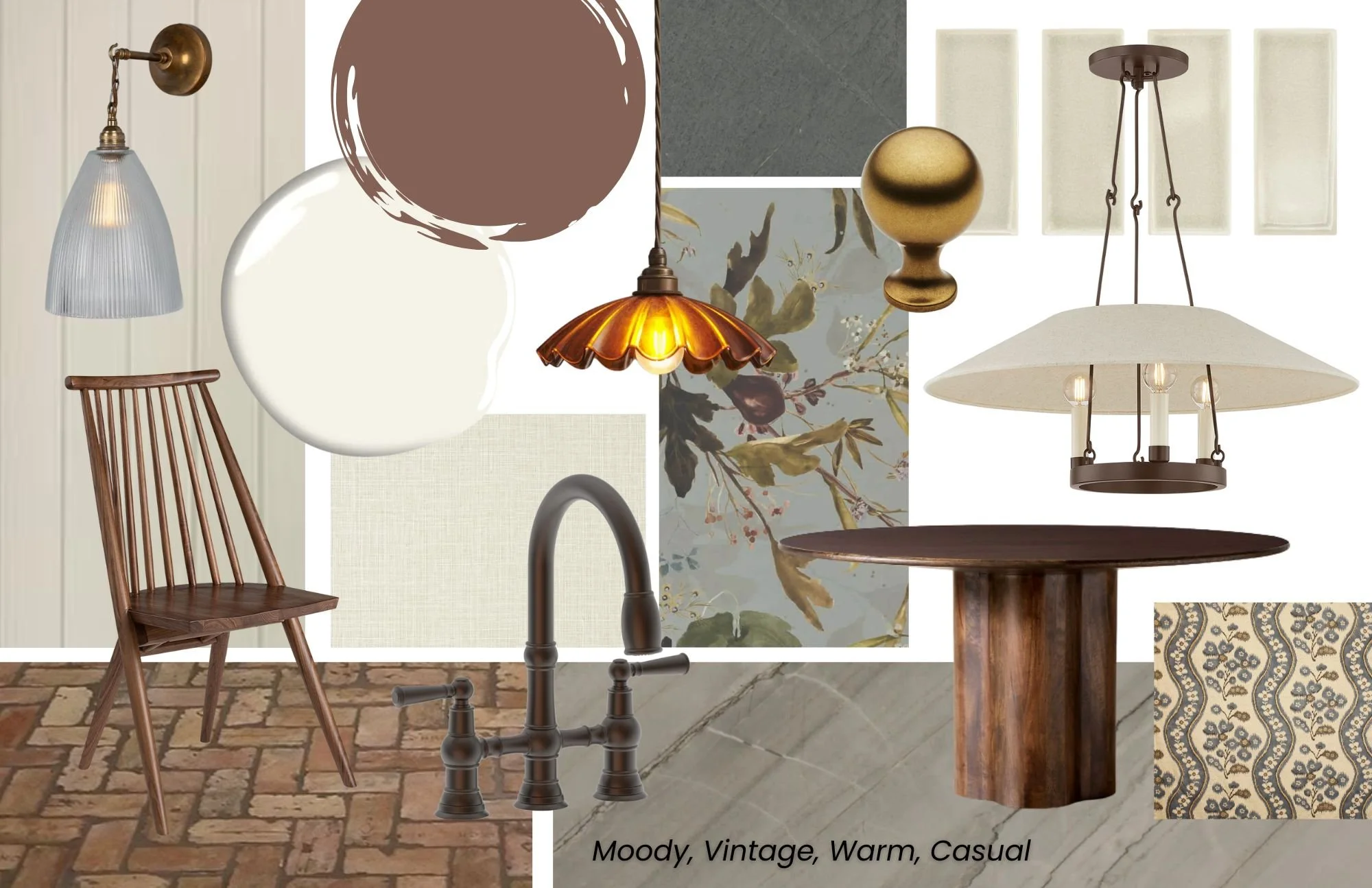
Taking inspiration to a more developed design concept can be intimidating. A great way to approach it is to create Mood Boards for each room or area. Using a tool like Canva, you can add images of colors, fabric, stone, metal, wood tones, lighting and plumbing selections, and even furniture. Play with different combinations until you find one that feels good to you. (PS - If you’re stuck, reach out for a one-time consultation with us here! We are happy to help get you unstuck!)
Pro Tips for creating a *killer* Mood Board:
- Start with one thing you love. (A light fixture. Fabric. Piece of Art.) Build from there.
- Find words that describe the feel you are after. Add those words to your board to stay focused.
- Move images around! Experiment! See what combinations you like best together.
- Add links or names of products as you go so you can find them later.
- Take photos of existing materials you’re working with to add to your board.
Once you’re satisfied with your mood board, it’s time to order some samples, or go visit showrooms to see products in person. That’s the only way to know for certain that they all work together! Don’t be shy about bringing ALL of your samples and your mood boards to these visits to help visualize!
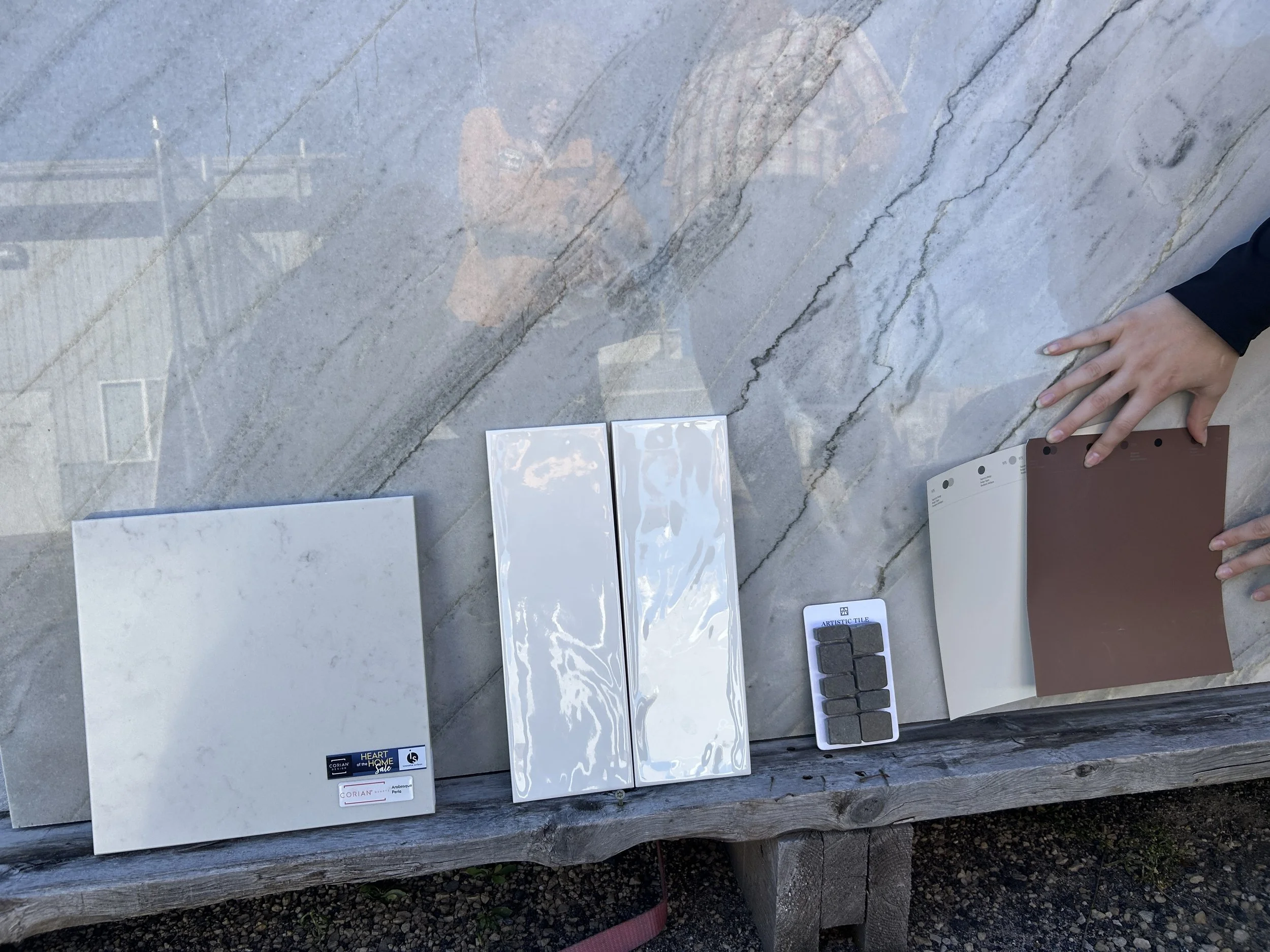
Third… Document the Details:
If design details are not captured somewhere and communicated clearly, there is no way the design will be fully realized. Simply put, good documentation enables good design!
As designers, we use a combination of tools to document project details, including floor plans, cabinetry elevations, electrical and construction plans, and lots of spreadsheets! We note every little detail of the project, from the scope of work for the demo crew, to the hanging heights of the island pendants, to what the grout color is needed for the shower tile in the second-floor guest bath.
Whether or not you are responsible for your own project documentation will depend on the design team you’ve assembled. If it’s not clear who on the team is managing the documentation, clarify who and how! Every designer, architect, builder, and contractor will have their own unique set of tools and processes, but it’s important to know that it’s fully covered.
If you are responsible for some or all of the documentation for your project, a spreadsheet will be your best friend! Be sure to capture:
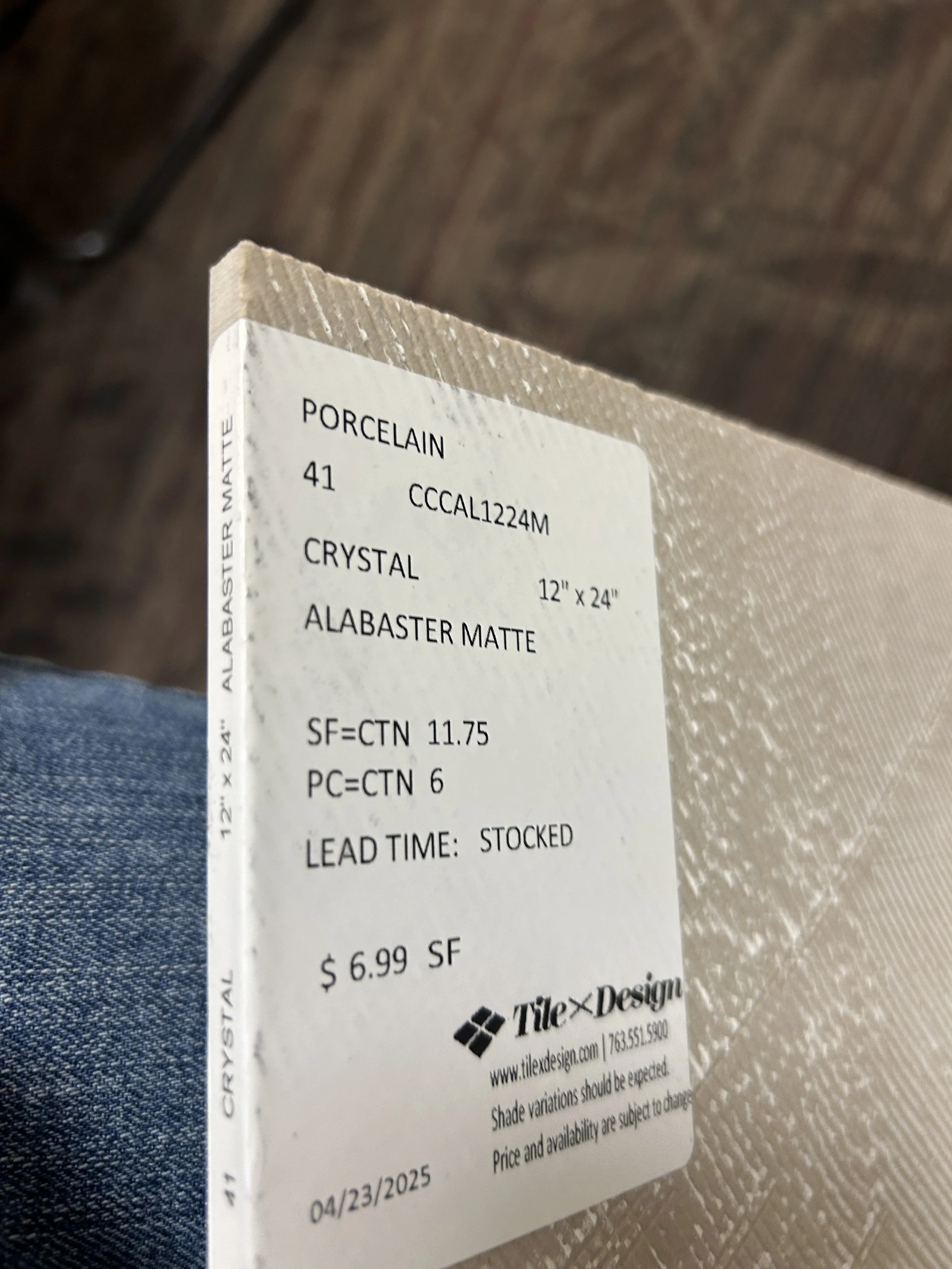
- Every selection! Product name, manufacturer, item number, finish, size, where to purchase it, lead time, and where it will be installed.
- Try to include an image or a hyperlink to an image and more details for each item.
- Manufacturer’s spec sheets for items like appliances, plumbing, or lighting.
Pro Tip: This is where it gets tricky, but think about HOW it will be installed. For example: tile. What pattern will the tile be laid in? What will the grout color be? Will there be trim pieces needed on outside edges? If it is floor tile, what will the transition piece be? Many products require more detail than the selection alone and including as many of these details as possible will help later on with installation.
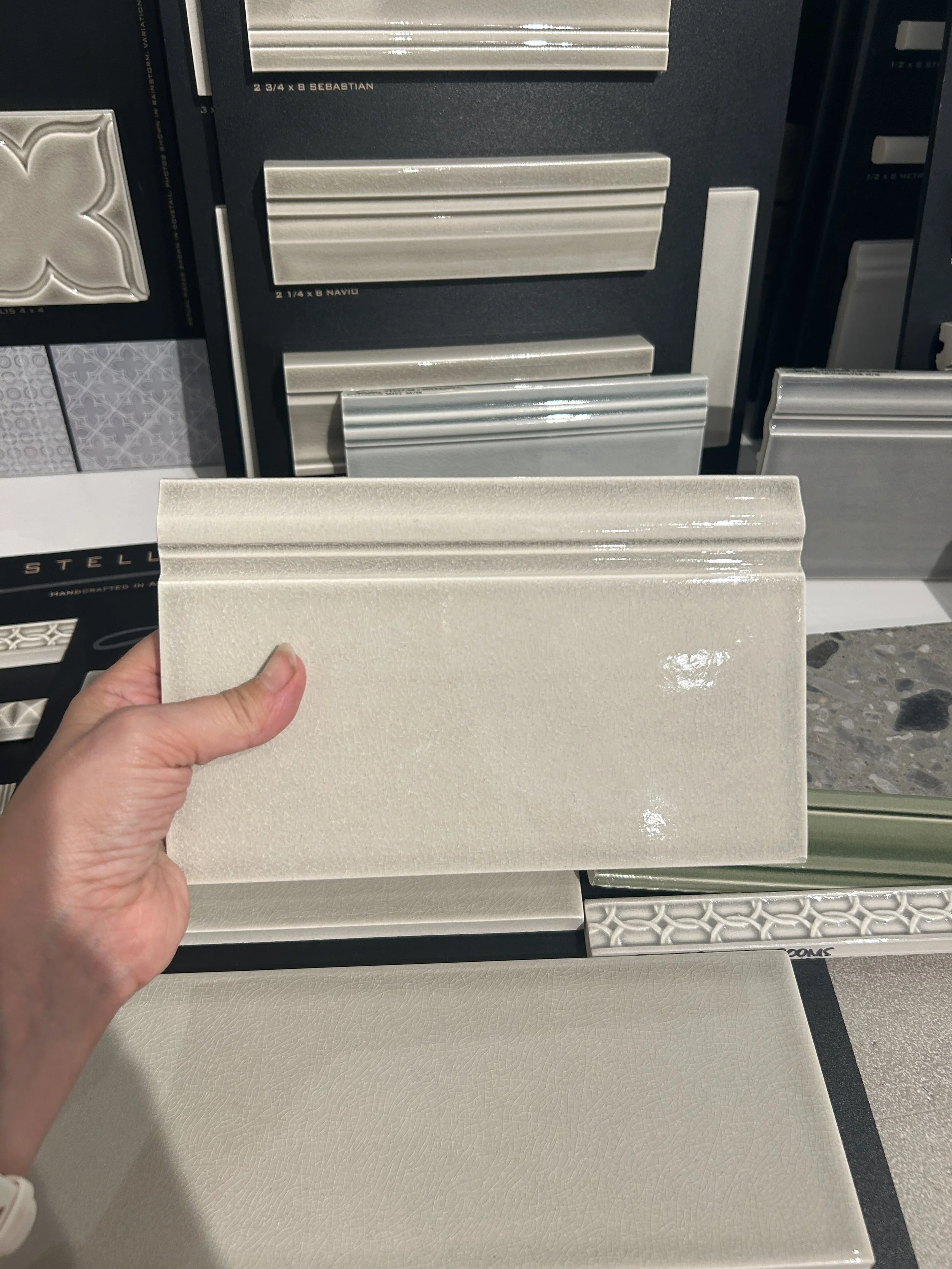
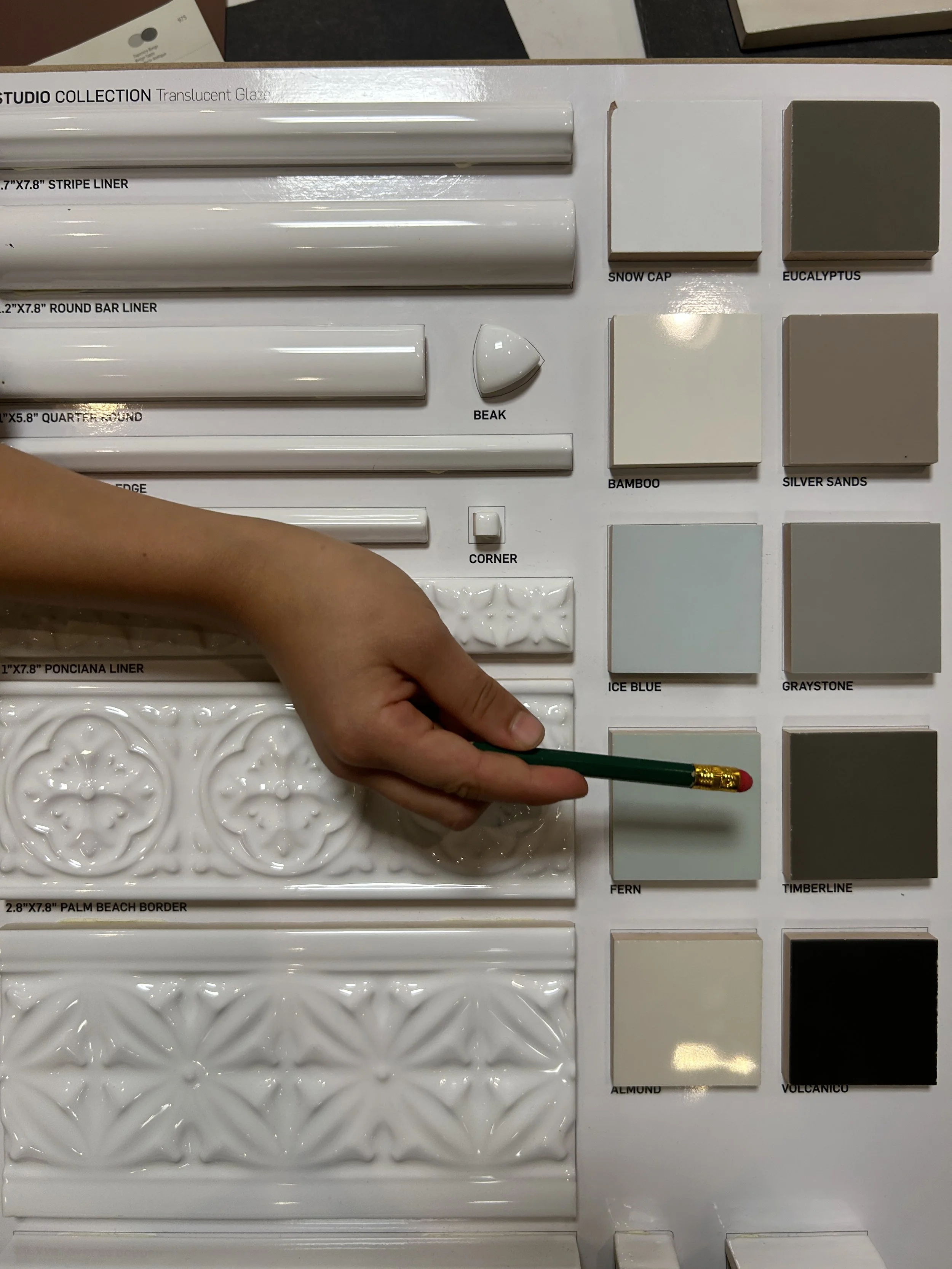
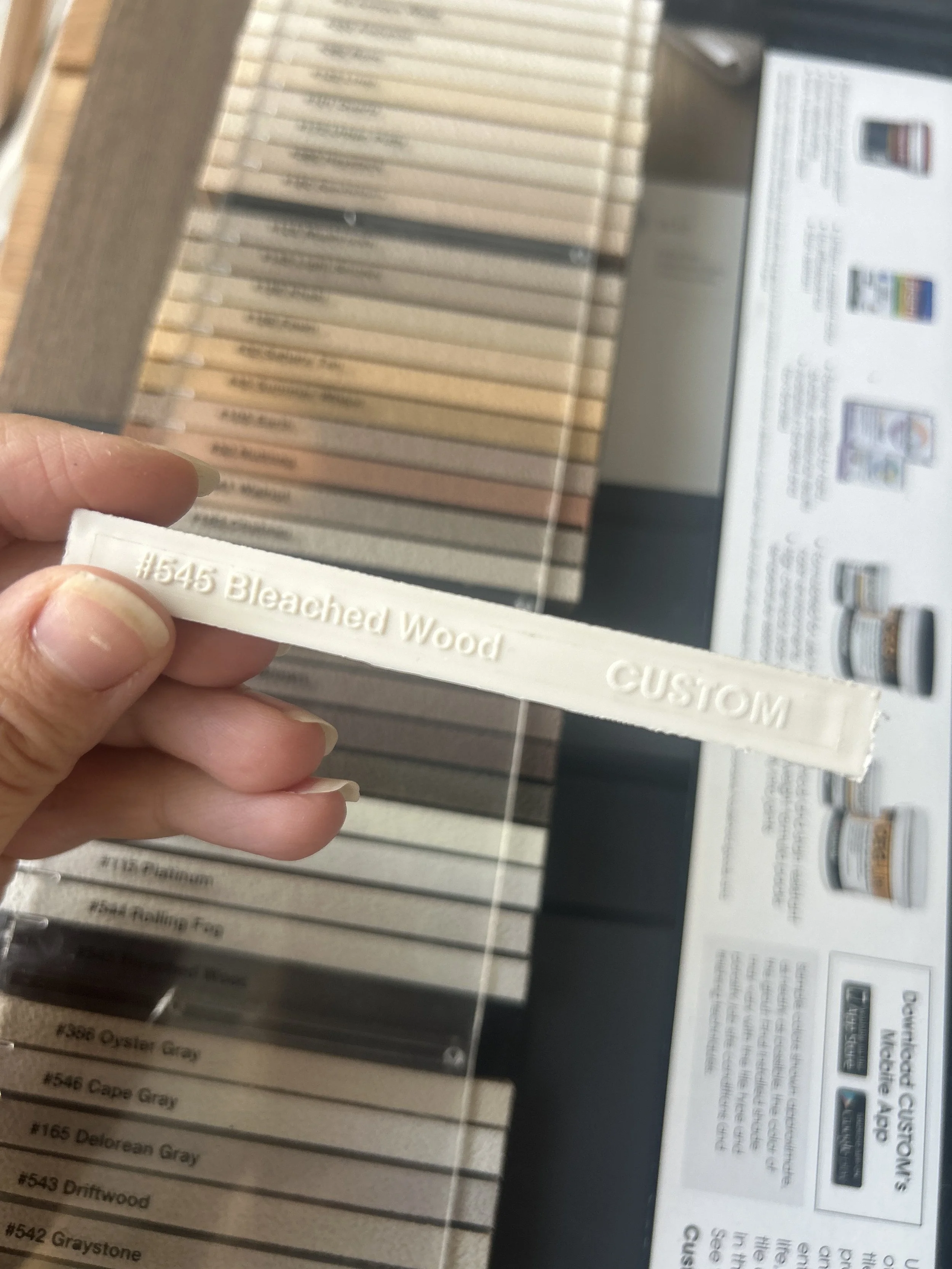
Lastly… Keep Your Goals in Mind:
Once you’re armed with selections and documentation, you will be able to view your project through a more precise lens.
A contractor (or trade partners, if you are hiring trades directly) will be able to give you a more precise bid for the project.
They will also be able to more accurately speak to your timeline, based on lead times of your selected products and materials.
Products and materials may be pre-ordered as necessary, avoiding potential delays in construction.
Perhaps the most valuable benefit to making design decisions upfront is that it gives you a chance to assess your project with realistic information, rather than broad ranges and allowances. Take this information and revisit your initial goals.
What were your priorities, budget, and timeline for the project when you began?
Does the design - including the materials and product selections you’ve made - still support these goals?
Have any of your goals changed or evolved since the beginning of the process?
If the answer is “yes,” you can proceed with confidence into construction, knowing you have done everything you can to ensure a smooth path to project completion.
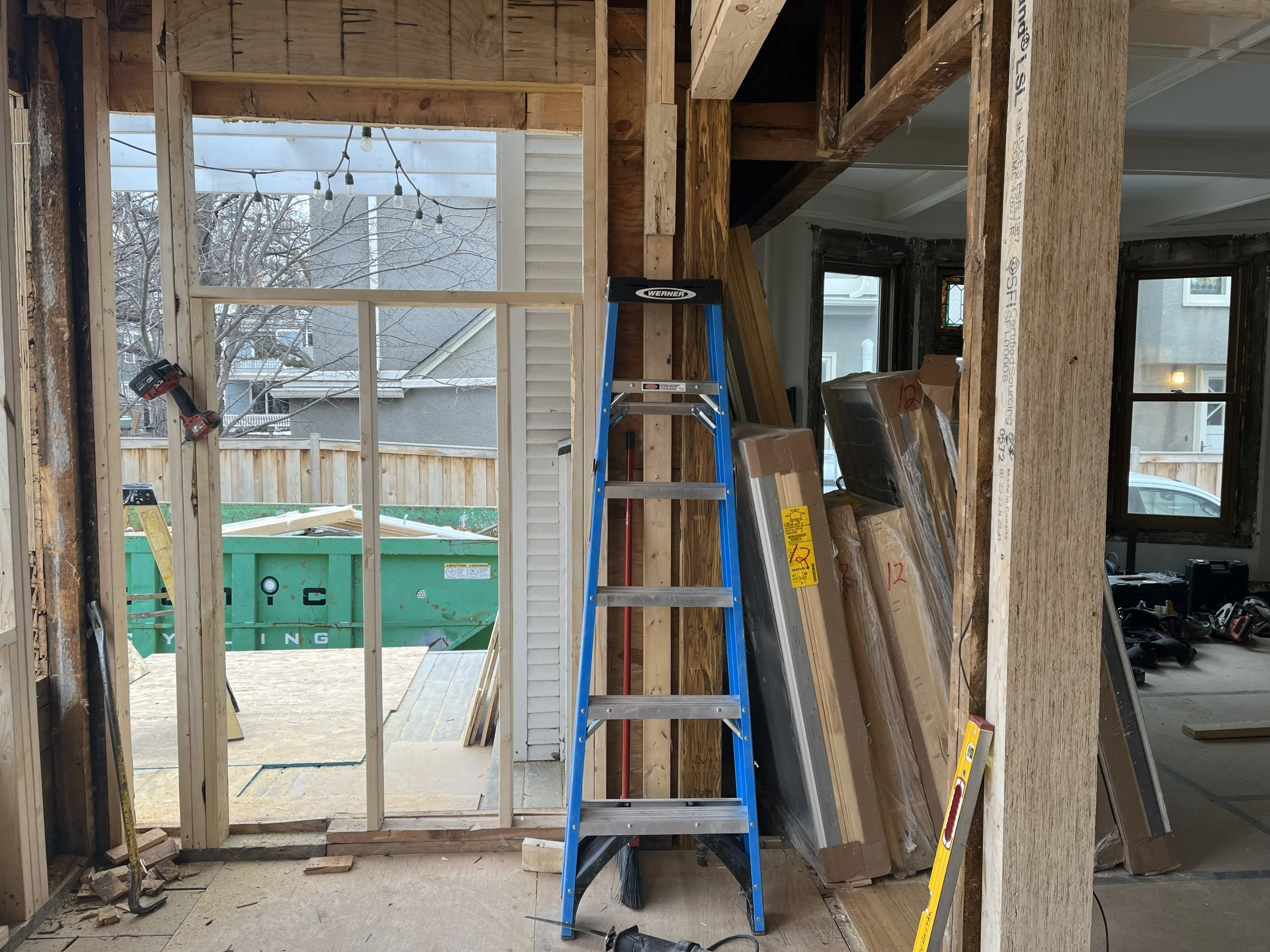
If the answer is “no,” you have the power to pivot from a place of calm, and with as much time as you need. You will not be up against the inevitable upheaval and emotional weight of being mid-construction, facing the possibility of change order costs and project delays.
We know that finalizing design decisions early is HARD to do! Design is a collection of a million tiny decisions, and it’s often time-consuming and overwhelming. But trust us, the time and effort will pay off. And always, if you need support, in the form of a one-time consultation, materials selection, or full-service design help, click here! We are a resource available to you and would love to help.